

We provide treatment for back pain, neck pain and shoulder pain in Southend-on-Sea, Essex at The Body Matters. Treatment for these is available from our clinic based in Leigh-on-Sea, in Southend-on-Sea, Essex. We also offer telephone & online support and remote consultations. Call us on 01702 714968 for more information.
These regions of the body are probably the most common pain presentations we see in the clinic, therefore they have become quite a speciality for the therapists at The Body Matters.
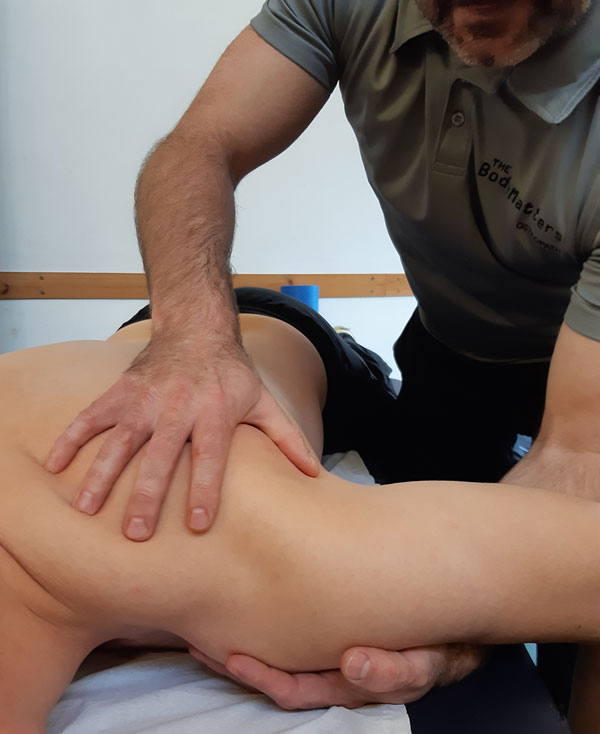
The priority for our therapists, as with any such presentation, is to identify a rational explanation for the sensitivity in order to offer an accurate diagnosis, if appropriate, and therefore an accurate prognosis so you know what to expect for your recovery.
Where appropriate, should conservative management of the pain not be successful, we can refer you for imaging, but this would be a discussion between you and your therapist.
If you are struggling with back or neck pain and want advice on how to better manage your pain and even learn how to improve things where other interventions haven’t helped, then get in touch with The Body Matters team to see if we can help.
Therapies for Back, Neck & Shoulder Pain
Osteopathy can help by restoring mobility to stiff joints and reducing muscle tension in order to return the patient to more natural movement, without pain. Thus, your Osteopath provides back pain relief for both patients with chronic back pain involving joint problems, such as sacroiliac joint dysfunction, and acute back pain from soft tissue injuries, such as a muscle strain or a ligament sprain.
Cognitive Functional Therapy was developed as a person-centred behavioural approach for individualising the management of disabling lower back pain. The aim is to coach people with disabling back pain to effectively self-manage their condition.
The Realization Process can help relieve back, neck, and shoulder pain by calming the nervous system and increasing interoceptive awareness, the ability to sense subtle signals from your body. Through gentle, body-focused practices, RP releases chronic tension in muscles, fascia, and connective tissue that often contribute to discomfort and stiffness in these areas.
Back, Neck and Shoulder Pain FAQs
Anyone can develop back, neck or shoulder pain. There is a broad range of medical reasons to experience pain in the back, neck or shoulder, as well as an even broader range of lifestyle factors that could be contributing to the overall suffering.
Most back pain, neck pain and shoulder pain will manifest as a result of straining a muscle or ligament caused by heavy lifting and overexertion, awkward movement and incorrect posture or a sports injury. However, these types of pain can also be caused by an underlying health condition such as arthritis, musculoskeletal irregularities or osteoporosis.
Many cases of back, neck or shoulder pain improve within a few days or weeks, particularly when gentle movement and sensible activity levels are maintained. However, if pain persists, becomes more intense, or begins to interfere with everyday activities such as sleeping, working, or exercising, it may be helpful to seek professional advice. A qualified therapist can assess movement patterns, posture, lifestyle factors and overall health to identify potential causes of the discomfort. Early assessment can also help rule out more serious conditions and provide reassurance. With the right guidance and treatment approach, many people find they can recover more quickly and return to normal daily activities with greater confidence.
Evidence has identified active strategies that encourage self-confidence in moving, regular exercise and stress management as the most appropriate treatment for lower back pain. Developing appropriate and healthy attitudes about our backs through education is also one of the most important aspects of treating and managing back pain.
At The Body Matters, treatment may also include approaches such as osteopathy, cognitive functional therapy and the Realization Process. These methods aim to support better movement patterns, address unhelpful beliefs or habits around pain, and improve body awareness, helping people move more comfortably and confidently in everyday life.
Both physical therapy and massage therapy offer substantial relief for back, neck, and shoulder pain. Physical therapy employs tailored exercises and techniques to enhance strength, flexibility, and posture, addressing underlying causes. Meanwhile, massages alleviate tension, improve circulation, and relax muscles, reducing pain and enhancing mobility. These treatments often complement each other, promoting healing and preventing future discomfort. Our guidance ensures personalised therapy, optimising outcomes. Integrating these modalities into a comprehensive pain management plan can significantly enhance one's quality of life and alleviate persistent discomfort in these areas.
To prevent back, neck, and shoulder pain, prioritise posture: sit and stand tall, aligning spine and shoulders. Regularly stretch these areas, especially if sedentary. Exercise strengthens core muscles, supporting the spine. Lift heavy objects using your legs, not your back, and avoid prolonged sitting or repetitive movements. Invest in ergonomic furniture and support devices. Take breaks during desk work, stretching and adjusting position. Manage stress, as tension exacerbates pain. Lastly, maintain a healthy weight to alleviate strain on these areas. Consistent mindfulness of these practices significantly reduces the likelihood of experiencing back, neck, and shoulder discomfort.
Selecting between ice or heat for back, neck, and shoulder pain hinges on the nature of the discomfort. Ice aids acute pain or swelling by reducing inflammation and numbing the area. Apply it for 15-20 minutes every few hours. Heat, like warm showers or heating pads, eases muscle stiffness and chronic pain by enhancing blood flow and relaxation. Utilise heat for 15-20 minutes intermittently. Alternating between ice and heat can suit some individuals, but consulting A professional at The Body Matters for personalised advice based on the specific condition remains paramount for effective pain management.
Exercising with back, neck, or shoulder pain can be safe and beneficial when approached cautiously. Gentle exercises, like walking, swimming, or yoga, often alleviate discomfort by strengthening muscles, improving flexibility, and enhancing posture. However, it's crucial to consult with our therapists for tailored exercises that suit your condition, preventing further injury. Avoid high-impact activities or exercises that exacerbate pain. Gradually introduce exercises, listen to your body, and cease activities causing increased pain. Proper form and technique are vital. Exercise, when guided and customised, can often be a key component in relieving and preventing recurrent back, neck, and shoulder pain.
Having a full assessment of your back, neck, or shoulders to rule out any concerning pathology is important to put one’s mind at rest and to get appropriate advice on what activities you should or shouldn’t be doing is imperative to avoid the risk of an episode of lower back pain becoming more prolonged than it needs to be.
Posture can play an important role in the development and persistence of back, neck and shoulder pain. Spending long periods sitting at a desk, looking down at mobile devices, or working in awkward positions can place additional strain on muscles and joints over time. Poor posture may contribute to stiffness, muscle fatigue and reduced mobility, which can gradually lead to discomfort. Improving posture does not mean holding a rigid position all day, but rather maintaining a variety of comfortable positions and moving regularly. Guidance from a therapist can help identify habits that may be contributing to pain and provide simple strategies and exercises to encourage healthier movement and reduce strain.
Back, neck and shoulder pain can sometimes return, particularly if the factors that contributed to the original discomfort remain unchanged. Repetitive strain, prolonged sitting, reduced physical activity, or ongoing stress can all increase the likelihood of symptoms reappearing. However, many people find that learning more about their condition and adopting healthy movement habits helps reduce the chances of future flare-ups. Education, regular exercise and awareness of posture and workload can all play an important role in long-term management. With the right support and strategies in place, individuals are often able to manage occasional episodes effectively and maintain an active, comfortable lifestyle.
Remote Consultations Available
We continue to use remote consultations to provide our services without physical interaction, if required, by shifting some appointments to video consultations.
Read our Remote Consultations page for more information.
Call The Body Matters on 01702 714968 for more information about treatments for back pain Southend, neck pain and shoulder pain in Southend-on-Sea & Leigh-on-Sea, Essex.