in Acupuncture
Does Practitioner Skill Affect Chinese Acupuncture Treatment?
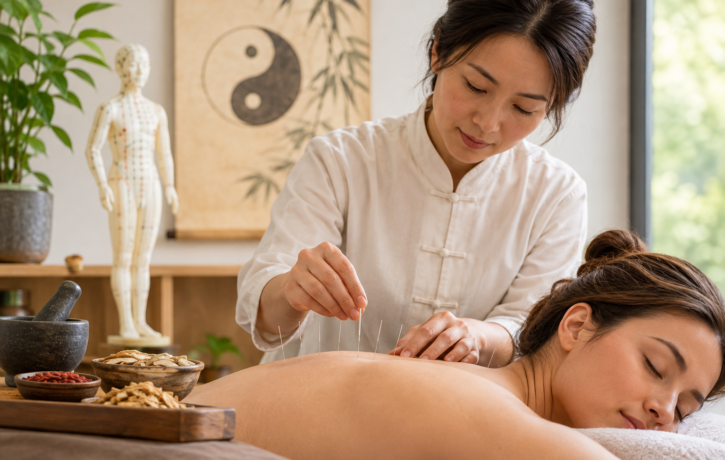
The experience and skill level of a Traditional Chinese Medicine (TCM) practitioner can significantly affect the effectiveness of the treatment. TCM is a highly individualised and holistic system, meaning the practitioner’s knowledge, diagnostic abilities, and treatment approach play a crucial role in the outcome.
How a Practitioner’s Experience Affects TCM Treatment
1. Accurate Diagnosis of Qi & Body Imbalances
A skilled practitioner can accurately identify imbalances in Qi (energy), Yin-Yang, and the Five Elements.
Less experienced practitioners may misdiagnose the root cause, leading to slower or ineffective results.
2. Precision in Acupuncture
Experienced acupuncturists have a deeper understanding of meridians, point combinations, and needle techniques.
Incorrect needling or point selection may result in weaker effects or discomfort.
3. Effective Herbal Prescriptions
TCM herbal formulas require a deep understanding of individual herbs and how they interact.
An experienced herbalist customises formulas based on the individual’s needs, while a less skilled practitioner may use a more generic approach, leading to less effective results.
4. Ability to Adapt Treatment Over Time
The body changes, and an experienced practitioner adjusts treatments accordingly.
A less experienced practitioner might stick to the same treatment plan for too long, reducing effectiveness.
5. Integration with Modern Health Conditions
A knowledgeable TCM practitioner understands how to combine TCM with Western medicine safely.
This is crucial for conditions like autoimmune diseases, chronic pain, or fertility issues.
6. Personalised Lifestyle & Diet Advice
TCM goes beyond treatments—it includes diet, exercise, and lifestyle recommendations.
A skilled practitioner tailors advice based on your body constitution, leading to better results.
How to Choose a Skilled TCM Practitioner
✅ Proper Certification & Training – Check if they are licensed and trained in acupuncture, herbal medicine, and diagnostics.
✅ Years of Experience – Practitioners with many years in practice often provide more effective treatments.
✅ Specialisation – If you need help with a specific issue (e.g., fertility, pain relief), find someone specialised in that area.
✅ Patient Reviews & Recommendations – Good feedback from other patients is a great indicator of effectiveness.
Final Thought
A skilled TCM practitioner customises treatment, makes accurate diagnoses, and continuously adapts the approach, leading to faster, more effective healing. An inexperienced practitioner may still provide benefits, but the results may take longer or be less effective.

- Does Practitioner Skill Affect Chinese Acupuncture Treatment? - 30th October 2026
- How Massage Supports Mental Health - 29th September 2026
- Feeling Deeply Held: An Amnanda Treatment - 28th August 2026
